
Tenant turnover is expensive. Most landlords know this. Most landlords also do almost nothing about it until a tenant hands in notice.
At that point you're scrambling: cleaning fees, paint, carpet, lost rent during the gap, listing costs, a new showing schedule, screening calls. If you're lucky, you're back in business in three weeks. If you're not, you're sitting on a vacant unit in November wondering why nobody's applying.
Each Denver vacancy runs $2,000 to $5,000 by the time you factor in the full cost. Most owners only calculate the repair bill. The repair bill is the smallest part of it.
The Real Cost of Turnover (Add It Up Before You Argue With Me)
Here's what actually happens when a tenant moves out of a Denver rental:
Lost rent during vacancy: Even a 2-week gap on a $2,100/month unit is $1,050 gone. A month? $2,100. That's not a line item most owners track against their annual returns.
Make-ready costs: Paint touch-up, carpet cleaning or replacement, appliance repairs, deep cleaning. A well-maintained unit might run $400-$800. A unit where the tenant wasn't that well-screened to begin with can run $2,000-$4,000.
Marketing and leasing: Photography, listing fees, showing time, application processing. Whether you pay a leasing fee or spend your own Saturday on it, there's a cost. Your time isn't free even if you don't invoice yourself.
Time cost: If you're a professional with a $100+/hour opportunity cost, spending 15 hours on a turnover costs $1,500. The math doesn't care whether you put it in a spreadsheet.
Add it up and $3,000 is conservative. For a property generating $25,000 a year in rent, one turnover wipes out roughly six weeks of revenue. Two turnovers and you've had a very expensive year.
Start Here: You Can't Retain Bad Tenants, So Stop Trying
Tenant retention starts before a tenant ever moves in.
Screening is the foundation. A well-qualified tenant who pays on time, treats the property with care, and doesn't manufacture drama is easy to retain. A tenant who barely cleared your income requirements, had a thin rental history, and argued about the lease terms on day one is a retention problem you've already inherited.
This is the part most turnover articles skip. They assume you already have quality tenants and just need tips to keep them. If you've got high turnover, the honest first question isn't "what incentives should I offer?" It's "am I screening well enough to get tenants worth keeping?"
At Sheepdog, we track tenant quality from day one because the tenants who stay three years aren't the ones who barely cleared the bar. They cleared it comfortably, had stable employment history with no suspicious gaps, and had a previous landlord who sounded genuinely sorry to lose them.
You can't implement a retention strategy on top of a weak screening process. Fix the foundation first.
If your property's screening standards and retention outcomes aren't where you want them, talk to us. It's the highest-leverage place to start.
The Move-In Experience Sets the Tone for Everything That Follows
The first 72 hours of a tenancy set the psychological tone for the entire lease.
A tenant who moves into a clean unit, receives clear documentation, has a working maintenance portal, and gets a small move-in gesture starts from goodwill. They're inclined to give you the benefit of the doubt when something goes wrong.
A tenant who moves in to find a dirty unit, missing keys, a broken outlet "they said they'd fix," and no clear communication channel starts from suspicion. They'll document everything. They'll escalate fast. And they'll leave when the lease is up, or before.
The move-in gift isn't about being nice. It's a deposit into the goodwill bank that pays dividends for the next 12 months. We use a local restaurant gift card. About $40. It signals that this is a professional operation that pays attention.
That $40 returns more in tenant goodwill than any renewal incentive we could offer six months later.
Fix Things Fast. Fix Them Once.
Maintenance response time is the single most predictable driver of tenant satisfaction and renewal decisions.
Ask a departing tenant why they're leaving and you'll hear "the rent went up." Dig a little deeper and you'll usually find a maintenance request that took three weeks to resolve, or a repair that was done badly and broke again two months later.
The pattern looks like this: Tenant reports an issue. Owner or manager is slow to respond. Tenant follows up. Gets a vague timeline. The repair happens, eventually. Tenant remembers every hour they spent waiting. Six months later when renewal comes around, the rent increase is the last straw, not the actual straw.
Most tenants who leave "because of a rent increase" were actually leaving because of poor maintenance response. The rent was just the excuse they gave.
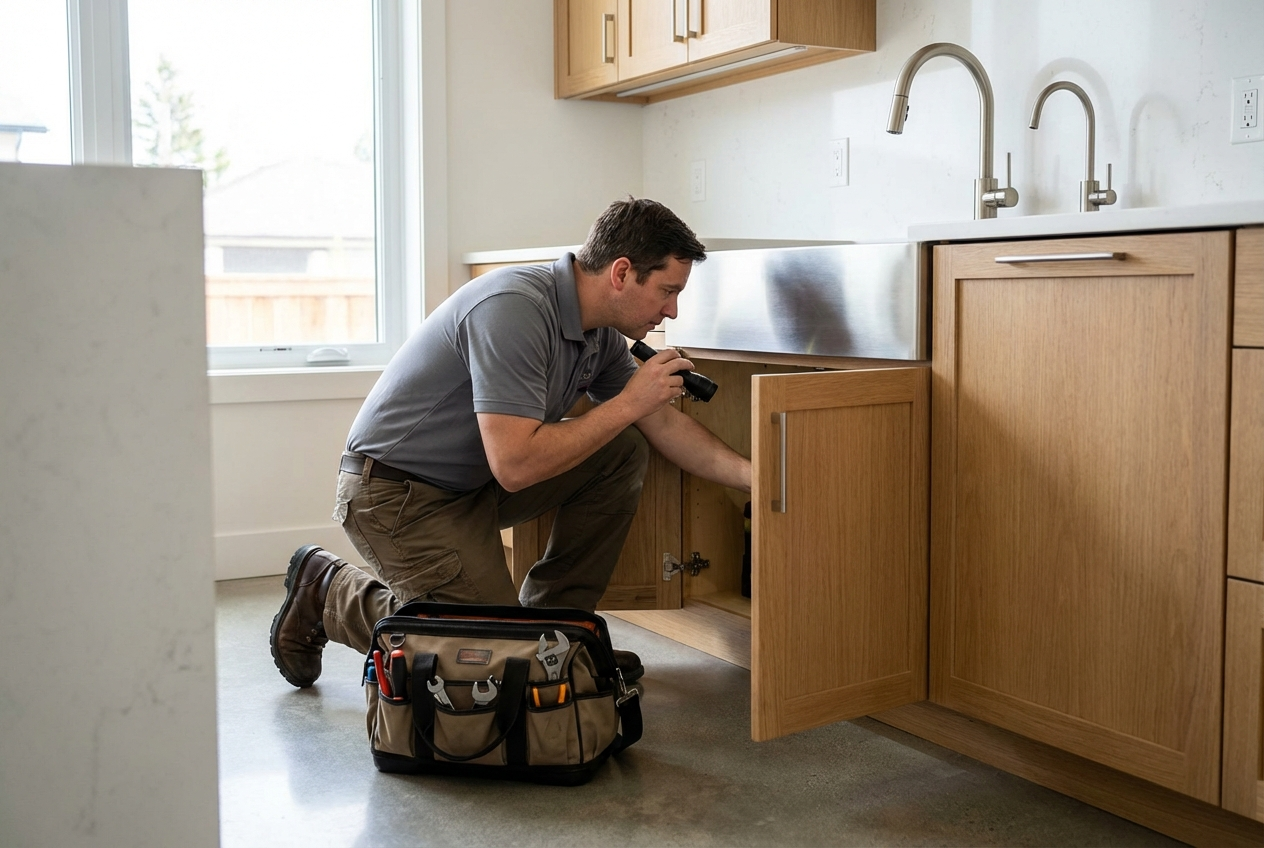
Fast maintenance doesn't mean same-day for everything. It means same-day acknowledgment, a clear timeline, and doing the job right the first time. A tenant who knows their dishwasher will be fixed within four days and gets an update confirming that timeline is far more forgiving than one left wondering.
In Colorado, the habitability clock doesn't care about your vacation schedule. If a tenant reports a heat failure in January and you take three weeks to fix it, you've got a legal problem, not just a maintenance issue. SB24-094 tightened habitability timelines significantly. Slow repairs now carry legal exposure on top of the retention cost.
Start the Renewal Conversation at 90 Days, Not 30
Most landlords think about renewal at 30-60 days out. That's too late.
By the time a tenant has mentally decided to leave, your phone call is a courtesy, not a conversation. They've already toured other units. They've told their friends they're moving. Their mental model has shifted from "I live here" to "I used to live here."
We start the renewal conversation at 90 days. Not to lock anyone in, but to read the signals early. A quick check-in: how are things going, anything that needs attention, are you thinking about staying? Most tenants won't tell you they're considering leaving if you ask at 30 days. Some will tell you at 90 if the relationship is good enough.
This also gives you time to make a real decision. If a tenant says they're thinking about leaving because the rent is going up, you have 90 days to assess whether keeping them at a modest increase is worth more than rolling the dice on a new tenant at full market. Sometimes it is. Sometimes it isn't. Either way, it's a business decision, not a panic decision.
Renewals are one of the highest-leverage management functions there is. If you'd like to talk about how we handle them for our owners, we're happy to walk through the process.
Handling Rent Increases Without Losing a Good Tenant
The standard advice is "be reasonable with rent increases." That's useless.
Good tenants expect rent to go up. Denver has a cost of living. They know this. A 3-5% annual increase on a $2,100 unit is $63-$105/month. That's not a dealbreaker for a tenant who values stability, has a comfortable commute, and has been treated well for two years.
What IS a dealbreaker:
- A 10-15% increase with no notice and no context
- An increase delivered with no acknowledgment of the tenant's history
- An increase that arrives two months after a maintenance request they're still waiting on
The framing matters as much as the number. "Your lease is up for renewal at $2,250 (from $2,100). We value you as a tenant and wanted to give you plenty of notice" is a different message than a form letter with a new number.
You're also competing against inertia. Moving is expensive and annoying. Good tenants don't want to move. Your job is to not give them a reason to overcome that inertia.
Denver's Lease Expiration Problem
This one gets ignored in every generic turnover article.
Denver's lease expiration timing matters. A unit that goes vacant in November is a fundamentally different problem than one that goes vacant in March. Denver's rental market peaks in spring and summer. Fall listings move slower. Winter listings can sit for weeks.
If you have a tenant whose lease expires in October and you're offering a 12-month renewal, you're setting up your next potential vacancy for October again. A 13-month lease puts the expiration in November, which is worse. A lease structured to expire in April is dramatically better.
This is the kind of structural management decision that separates owners who think in systems from owners who manage one lease at a time. No individual lease is a huge decision. But the compounding effect of always vacating in the slow season, year after year, is measurable on your annual returns.
Small Gestures, Actual Returns
The landlord-tenant relationship is a business partnership. It's also human.
Things that cost almost nothing and actually matter:
- Acknowledge maintenance requests the same day, even just to say "got it, here's when we'll be there"
- Send a move-in gift
- Process repairs without requiring the tenant to follow up twice
- Send a brief note when a renewal is signed
- Be human when something hard happens to the tenant (job loss, illness, family emergency)
That last one matters more than most owners think. A tenant who had a rough patch and was treated with basic dignity and reasonable flexibility becomes a tenant who tells their friends about the property and renews without negotiating.
None of this is soft management. It's the infrastructure of a retention strategy that keeps good tenants for 2-4 years instead of 12-14 months.
Frequently Asked Questions
How much does tenant turnover actually cost in Denver?
Tenant turnover in Denver typically costs $2,000-$5,000 per vacancy, depending on the property, condition, and vacancy duration. This includes lost rent during the vacancy period, make-ready costs (cleaning, paint, repairs), leasing and marketing expenses, and the time cost of coordinating the transition. Most owners only calculate the repair bill and significantly underestimate the total impact.
When should I start the renewal conversation with my tenant?
Start at 90 days before lease expiration, not 30. By 30 days, most tenants who plan to leave have already decided and may have signed elsewhere. At 90 days, you have time for a real conversation, time to address any issues influencing their decision, and time to make a thoughtful business decision about rent adjustments.
How much of a rent increase will make a good tenant leave?
It depends less on the amount and more on how it's delivered and the state of the relationship. A 3-5% increase ($60-$100/month on a $2,000 unit) is expected by most long-term tenants and rarely the actual reason someone leaves. Large increases (10%+) without communication or context, or increases that arrive alongside unresolved maintenance issues, carry much higher risk.
Does lease timing affect tenant turnover in Denver?
Yes. Denver's rental market is seasonal, with stronger demand in spring and summer. A unit that goes vacant in October through January faces softer demand, longer vacancy, and potentially lower achievable rent. Structuring lease terms to avoid fall and winter expirations is a real ROI strategy, not just a scheduling preference.
What maintenance response time do tenants actually expect?
Acknowledgment within hours, resolution within days for non-emergency issues. For emergency issues (heat, plumbing, safety), Colorado's habitability law requires fast action regardless. Tenants aren't expecting same-day fixes for everything, but they're unforgiving of silence. A same-day "got it, here's the timeline" response is worth more than a same-week repair with no communication.
Is offering lower rent a good way to keep a tenant?
Rarely. Keeping a good tenant at slightly below-market rent for the sake of stability is occasionally worth it as a deliberate business decision. But reducing rent in response to a renewal objection usually doesn't address the actual reason the tenant was considering leaving. If maintenance was the real issue, a rent discount doesn't fix the relationship.
How does tenant screening relate to retention?
Directly. The tenants who stay two to three years are usually the ones who were well-qualified from the start, not ones who barely cleared your screening criteria. Strong screening produces tenants worth retaining. Weak screening produces tenants who create turnover regardless of your retention efforts.
What's the biggest mistake landlords make at renewal time?
Waiting too long to initiate the conversation. Most landlords reach out at 30 days, when most tenants who plan to leave have already decided. Starting at 90 days gives you real leverage to address concerns, make adjustments, and retain tenants who were on the fence rather than already gone mentally.
Tenant turnover is preventable more often than landlords believe. The tactics that actually work aren't complicated, but they do require systems and attention to timing. If you'd like to talk about how we approach retention for Denver rental owners, reach out here.