
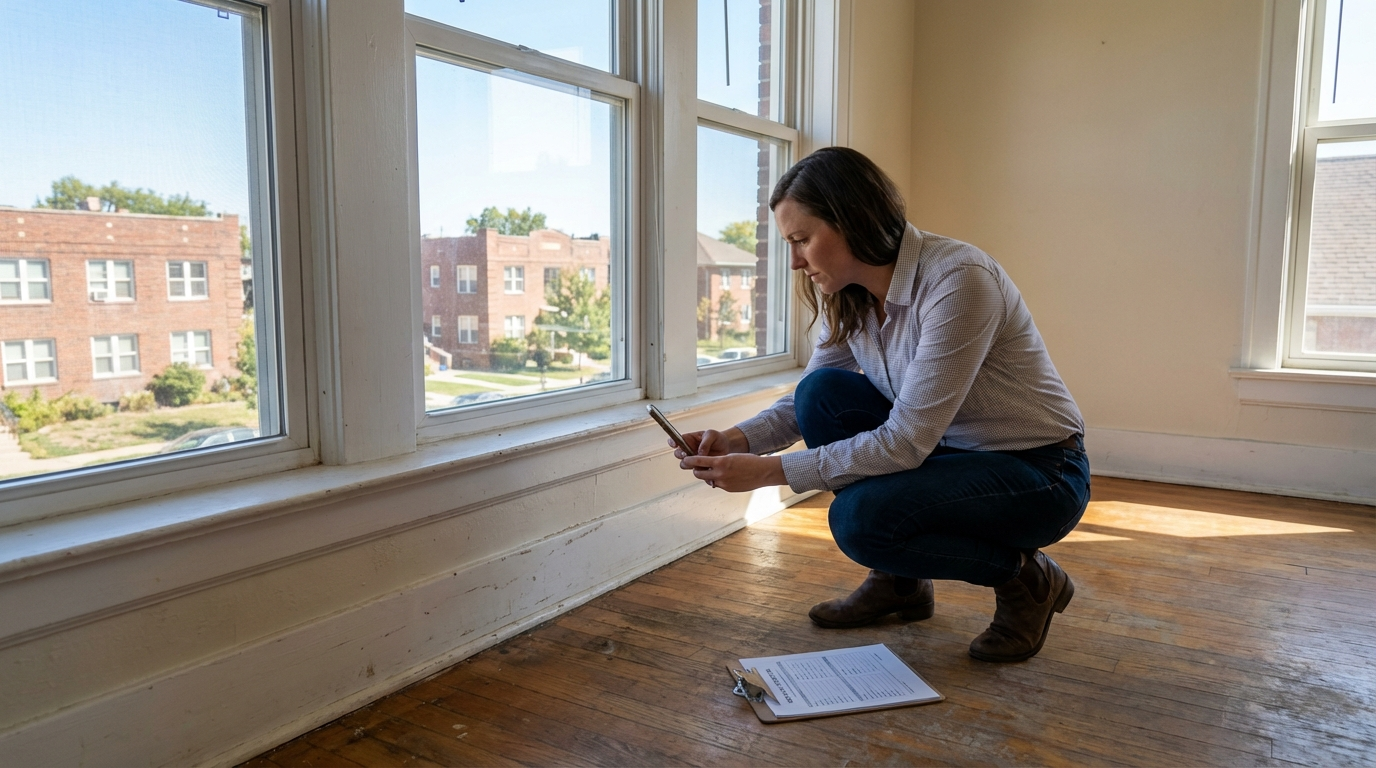
A Denver landlord charged a tenant $1,800 for carpet replacement and kept the full security deposit. The carpet was eight years old, moderately worn, and had no major damage. Under Colorado's 2026 rules, the landlord owed triple damages.
Here's the short version of what Colorado landlords can charge for at move-out in 2026: actual damage that goes beyond normal wear, clearly documented, with proper invoices and photos. Carpet 10 years or older is not chargeable under any circumstances. Automatic cleaning fees are gone. Paint charges require substantial documented damage. The security deposit is not a general fund for end-of-tenancy costs.
HB25-1249 took effect January 1, 2026. It redefined normal wear and tear, expanded prohibited deductions, and added real penalties for getting it wrong. If you're still running move-outs the way you did in 2023, you have exposure you probably don't know about yet.
What HB25-1249 Changed About Normal Wear and Tear
Before the new law, "normal wear and tear" was a concept without a crisp statutory definition in Colorado. Courts filled in the gaps, and landlords leaned on lease language to justify deductions. Some of that lease language is now void.
HB25-1249 defines normal wear and tear as "deterioration, damage, or uncleanliness that occurs based upon the use for which a rental unit is intended or reasonably and typically used, without negligence, carelessness, accident, or abuse of the premises or private property by the tenant, their guests, or their household members."
Two things matter in that definition. First: some amount of uncleanliness now falls under wear and tear. A unit that's slightly dirty from normal occupancy is not automatically chargeable. Second: "without negligence, carelessness, accident, or abuse" is still exclusionary. A tenant who punches a hole in a wall, lets a pet destroy flooring, or causes intentional damage is still liable. The law didn't eliminate damage claims. It tightened what counts as damage.
The burden to prove actual damage (beyond wear) now falls more clearly on the landlord. If you can't document it, you probably can't deduct for it.
[CTA 1]
If your move-out process hasn't been updated for 2026, it's worth reviewing it before your next tenant transition. Contact Sheepdog Property Management to understand how we run compliant move-outs in Denver.
Wear and Tear vs. Damage: The Side-by-Side Breakdown
Walls and Paint
Normal wear and tear (not chargeable):
- Small nail holes from hanging pictures
- Paint fading from sunlight
- Minor scuffs from furniture placement or general contact
- Paint worn thin after several years of occupancy
Damage (potentially chargeable):
- Large holes in drywall from anchors, door handles, or impact
- Crayon, marker, or paint applied by the tenant
- Significant gouges or scratches that require patching and painting beyond a standard touch-up
- Stains from water damage caused by tenant negligence
On paint specifically: HB25-1249 limits paint charges to "substantial damage." You can only retain "the minimum amount necessary" to address the specific damaged area. A full room repaint because the tenant left after three years and the paint looks lived-in? Not chargeable.
Normal fading from sunlight on paint, minor scuffs from furniture, small nail holes from pictures: none of that is chargeable in Colorado. It never was, technically, but the new law made the definition so explicit that the gray-area defenses are gone.
Flooring and Carpet
Normal wear and tear (not chargeable):
- Matting and slight flattening of carpet from normal foot traffic
- Minor staining from everyday use
- Worn areas in high-traffic zones
- Light scratches on hardwood from foot traffic or furniture
Damage (potentially chargeable):
- Large stains from pet urine, wine, or food that required professional treatment
- Burns from cigarettes or other sources
- Carpet torn, ripped, or damaged beyond what normal use produces
- Deep gouges in hardwood from misuse
The 10-year rule: If the carpet has not been replaced within 10 years before the tenancy ended, you cannot charge for it. Period. Not for damage. Not for staining. Not for anything. The law is explicit. This is the rule that's going to catch a lot of Denver landlords off guard.
Appliances and Fixtures
Normal wear and tear (not chargeable):
- Minor scratches on appliance surfaces
- Worn finishes from regular use
- Light bulbs burning out
- Battery drain in smoke detectors
Damage (potentially chargeable):
- Cracked or shattered cooktop glass
- Missing knobs or handles on appliances (if removed, not broken from age)
- Broken fixtures from impact or misuse
- Damage from unauthorized modifications
Cleaning
This is where the new law changed the most from what landlords were used to.
The old standard: Many landlords used lease language requiring professional cleaning regardless of condition at move-out. That clause is now void.
The new standard: You can deduct for cleaning only if the unit is left "substantially less clean" than it was at move-in. "Substantially" is doing a lot of work there. The new "substantially less clean" standard is more protective of tenants than landlords want to hear. A unit that's dusty and needs a light cleaning does not qualify. We're talking: garbage left behind, grease coating every kitchen surface, filth that a reasonable person would find shocking compared to move-in condition.
This is why move-in documentation matters so much. You can only measure "substantially less clean" against a baseline. If you don't have a documented move-in condition, you have no baseline to measure against.
The 10-Year Carpet Rule: What It Means for Your Property Right Now
The 10-year carpet rule has no exceptions. If carpet has not been replaced with new carpet within the 10 years preceding the end of the tenancy, you cannot charge for it from the security deposit.
The 10-year carpet rule is the one that's going to catch a lot of Denver landlords who bought properties before 2016 and never replaced carpet. If you're thinking "I'll just document the damage," it doesn't matter. The law says you can't charge.
What this means practically:
- If your carpet is from 2014 or earlier, budget for replacement when your tenant leaves. It's a maintenance cost, not a deposit deduction.
- If you replaced carpet in 2018, you have until 2028 before the rule kicks in (and only if there's actual substantial damage in the meantime).
- Keep records of when carpet was installed. Date of installation is now a relevant document at move-out.
For Denver landlords who bought cash-flowing properties and haven't updated the interiors in 10+ years, the carpet rule is one of the first things to reconcile.
What You Can Charge for (With Documentation)
Chargeable deductions in 2026 are specific and must be documented:
- Unpaid rent - straightforward; must match lease amount and documented payment history
- Unpaid utilities if the lease holds the tenant responsible for specific utilities and there's a documented balance
- Actual property damage beyond normal wear and tear - this requires documentation of both the damage and the cost to repair it
- Cleaning if the unit is "substantially less clean" than at move-in - requires a documented move-in condition baseline and documentation of the move-out condition
- Other lawful charges listed in the lease that aren't prohibited by HB25-1090
For every deduction you make, you need:
1. A written statement itemizing each deduction
2. The amount withheld for each item
3. Supporting documentation (photos, invoices, receipts) available within 14 days if the tenant requests it
If the tenant requests documentation and you can't produce it, your deductions are effectively unenforceable. In the Denver rentals we manage, we photograph every square foot of the unit at move-in and move-out. That documentation is what lets legitimate deductions stick and keeps tenants from disputing charges they actually caused.
The Move-Out Documentation Process That Actually Protects You
The legal protection for deposit deductions starts at move-in, not move-out. Here's the process that holds up:
At move-in:
- Conduct a written move-in inspection with the tenant present or with the tenant given an opportunity to participate
- Photograph every room, every wall, every appliance, every floor surface. Timestamp everything.
- Have the tenant sign the move-in condition report or at minimum acknowledge it in writing
- Document any pre-existing conditions: existing carpet staining, wall marks, appliance issues. This protects you from being charged with pre-existing damage at move-out.
At move-out (if tenant requests it):
- Colorado now requires you to offer a pre-move-out inspection if the tenant requests one
- The pre-move-out inspection isn't optional if the tenant requests it. And if you do it, you have to give the tenant a chance to fix items before the final move-out. This is actually good news for landlords who know how to use it, because tenants who fix issues before the final inspection reduce your deduction disputes.
At move-out:
- Photograph everything again. Same rooms, same angles if possible.
- Collect invoices for any repairs made. Get them quickly, because the 30-day return deadline is firm.
- Itemize deductions in writing before the deadline.
- Return the balance (or the full deposit if no legitimate deductions) within 30 days.
If a tenant disputes:
- Produce your documentation within 14 days of the request
- Be prepared to defend the "substantial" standard for any cleaning or paint claims
- Be prepared to prove carpet age for any carpet claims
Missing the 30-day deadline - even by one day, even if your deductions are legitimate - can forfeit your right to any portion of the deposit. Set a calendar reminder when a tenant gives notice.
[CTA 2]
Managing move-outs correctly under Colorado's 2026 rules requires a documentation system that starts at lease signing, not on move-out day. If you want your Denver rental managed by a team that handles this process systematically, contact Sheepdog Property Management.
Frequently Asked Questions
What is the definition of normal wear and tear in Colorado in 2026?
Under HB25-1249, effective January 1, 2026, normal wear and tear is defined as deterioration, damage, or uncleanliness that occurs from the use for which the rental unit is intended or reasonably used, without negligence, carelessness, accident, or abuse. This includes ordinary aging of surfaces, fading, minor scuffs, and some light uncleanliness from normal occupancy.
Can a landlord charge for carpet cleaning in Colorado?
Only if the carpet is left substantially dirtier than at move-in. Automatic cleaning fee clauses in leases are now void under HB25-1249. Routine cleaning after normal occupancy is not chargeable. If the carpet requires professional cleaning due to unusual soiling (pet accidents, significant staining beyond normal use), you can charge, but you need documented evidence of the condition and the cleaning cost.
Can a Colorado landlord charge for repainting after a tenant moves out?
Only for substantial damage beyond normal wear and tear. Normal fading, minor scuffs, and small nail holes are not chargeable. If you charge for paint, you can only retain the minimum amount necessary to address the specific damaged area, not a whole-unit repaint. You need photographic documentation of the specific damage and an invoice for the repair.
What is the 10-year carpet rule in Colorado?
Under HB25-1249, a landlord cannot charge for carpet replacement from a security deposit if the carpet has not been replaced with new carpet within the 10 years before the tenancy ended. This applies regardless of the condition of the carpet. If the carpet is 10 years or older, no deduction is allowed. Keep installation records for all flooring.
Can I deduct cleaning costs from a security deposit in Colorado?
Yes, but only if the unit is left "substantially less clean" than it was at move-in. You cannot use automatic cleaning fee clauses (now void). You need a documented move-in condition baseline and documentation of the move-out condition to establish the comparison. Light cleaning requirements do not qualify.
What documentation do I need to make a deposit deduction in Colorado?
You need a written itemization of each deduction with the specific amount. If the tenant requests supporting documentation, you must provide it within 14 days. Supporting documentation includes timestamped photographs, invoices from contractors, and receipts. You should have move-in condition photos to compare against move-out photos for damage claims.
What happens if I miss the 30-day deposit return deadline in Colorado?
If you fail to return the deposit (or the itemized statement of deductions) within 30 days of tenancy end (or 60 days if specified in the lease), you lose the right to retain any portion of the deposit. Additionally, if you wrongfully withhold a deposit, the tenant can seek up to three times the withheld amount plus attorney fees.
Can a landlord charge for pet damage in Colorado?
Yes, if the damage goes beyond normal wear and tear and is documented. Pet damage that is substantial, not pre-existing, and not the result of normal occupancy (such as significant carpet damage from pet urine, claw marks on doors) can be charged against the deposit with proper documentation. Normal pet hair and typical wear from a pet's presence would be harder to defend as chargeable damage.
The security deposit rules in Colorado in 2026 favor landlords who document everything and run a tight process. They punish landlords who rely on lease language that no longer works. If you'd like to understand how a professional property management system protects your deposit deductions and minimizes disputes, reach out to Sheepdog Property Management.