
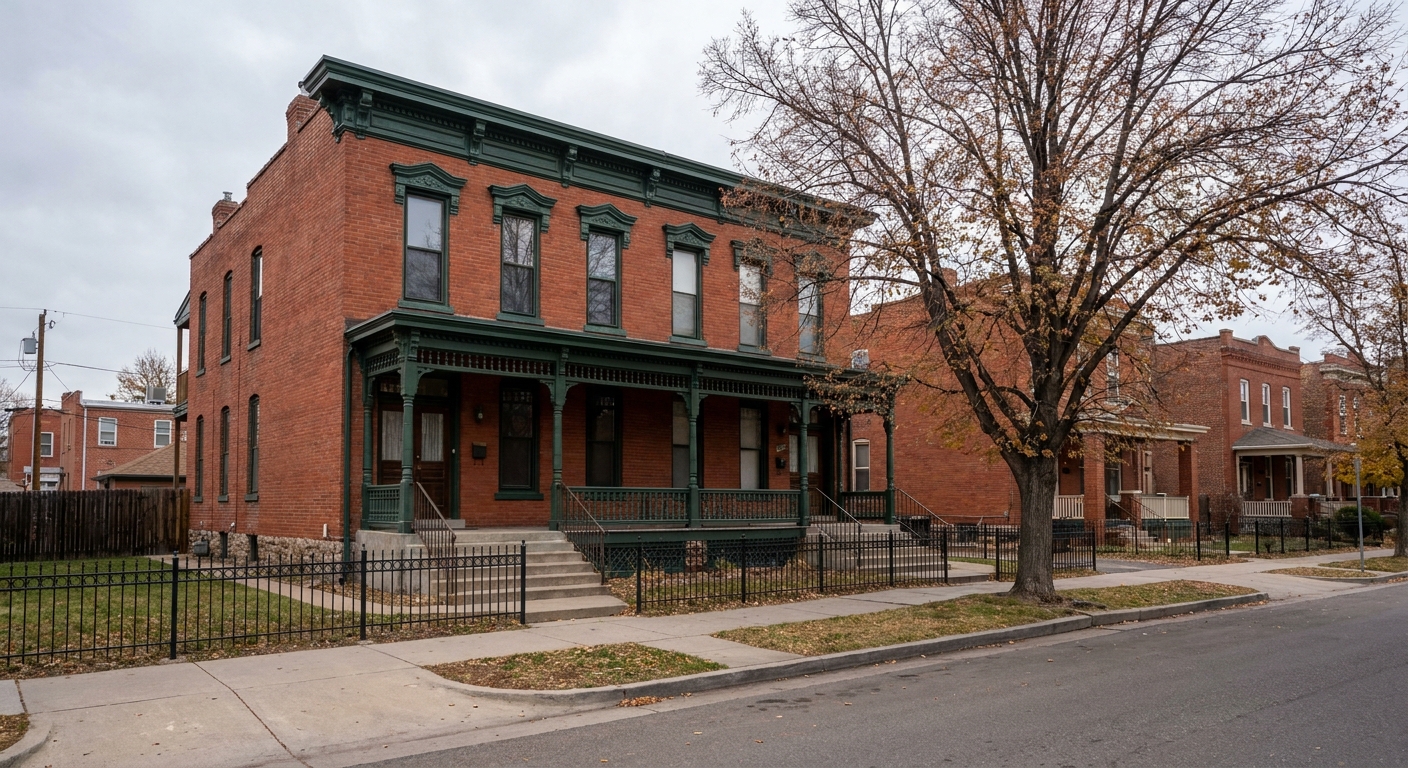
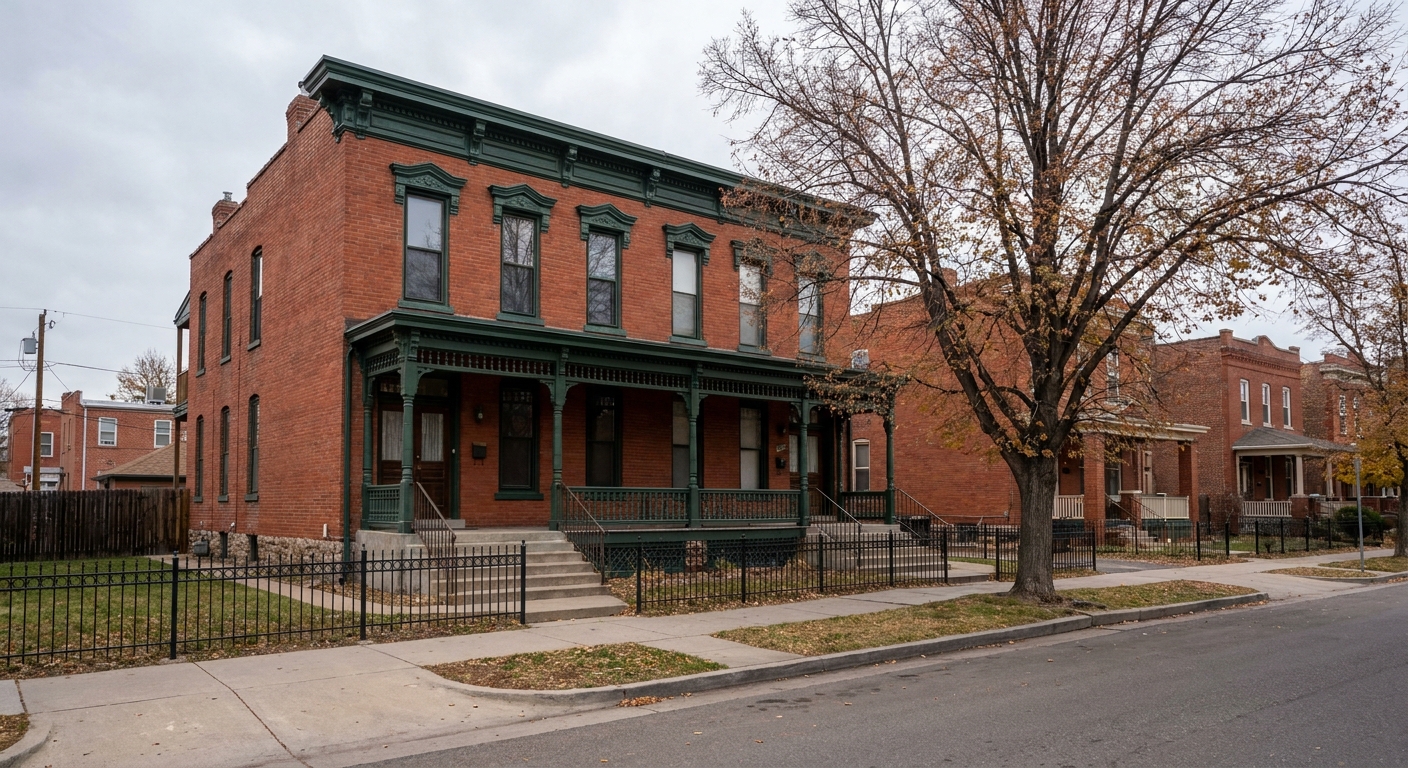
Capitol Hill is one of Denver’s most walkable, most in-demand neighborhoods. It’s also one of the more challenging places to be a landlord if you don’t know what you’re getting into. The maintenance profile is different. The tenant profile is different. The noise situation is different. And the historic preservation rules catch property owners off guard constantly.
This is not a warning against renting in Cap Hill. The demand is strong and the rents are good. It’s a warning against approaching it like you’d approach a suburban SFH.
Last Updated: April 2026
The Capitol Hill Rental Market in 2026
Cap Hill sits in Denver’s urban core, roughly half a mile from downtown and the State Capitol. The neighborhood runs along Colfax Ave to the north and down through Cheesman Park to the south. Walkability scores for most Cap Hill properties run 90+. It’s one of the genuinely walkable Denver neighborhoods, not just “walkable if you have a car for anything real.”
What Rents Are Running in Capitol Hill
Current Q1 2026 market estimates:
- Studio units: $1,000 to $1,300/month
- 1-bedroom units: $1,300 to $1,700/month
- 2-bedroom units: $1,700 to $2,200/month
- 3-bedroom (SFH or duplex unit): $2,200 to $2,800/month
Well-presented units on the Cheesman Park side of the neighborhood command slightly higher rents than equivalent properties north of 13th Ave. Updated kitchens and in-unit laundry are strong leasing accelerators in this market.
Demand is consistent and the market moves fast. A well-priced, well-presented Cap Hill unit typically leases within two to three weeks. If it’s sitting longer, it has a presentation or pricing problem.
Who’s Renting in Capitol Hill
Younger renters, mostly 22-35. Single adults, couples, and roommate pairings. The neighborhood attracts people from the creative industry, healthcare (St. Joseph’s Hospital is nearby, as is the Colorado Mental Health Institute cluster on the east side), hospitality, and nonprofit sectors.
These tenants choose Cap Hill deliberately. They want the urban energy, Colfax access, proximity to downtown, and the neighborhood’s cultural density. They’re not looking for quiet suburban living. The tenant who wants a garage and good schools moved to Highlands Ranch. The Cap Hill applicant wants a 10-minute walk to their favorite coffee shop and a transit line to the office.
Average tenancy in Capitol Hill runs 18-24 months, shorter than family-oriented Denver suburbs. This is partly demographic (younger renters move for relationships, jobs, and housing purchases more frequently) and partly the neighborhood’s transient energy. Strong vacancy minimization systems are more important here than in neighborhoods where tenants stay 4 years.
One non-obvious thing: income verification is genuinely different in this market. Cap Hill has a higher-than-average share of gig economy workers, freelancers, and hospitality professionals. Some have real income that looks inconsistent on paper. Knowing how to evaluate non-traditional income documentation without stepping into fair housing violations is a skill.
Capitol Hill Landlord-Specific Considerations
Denver rental license required. All Denver rental properties require a residential rental license through DOTI. Capitol Hill is in Denver. This means registration, an inspection, and an annual fee. Non-compliance carries fines. Build this into your pre-leasing timeline.
Historic preservation overlay. Large portions of Capitol Hill fall under Denver’s historic overlay districts. The East Colfax Conservation Overlay and adjacent Capitol Hill historic areas restrict exterior modifications. Windows, facades, rooflines, and exterior paint colors may require review and approval before changes. Landlords who discover this mid-renovation after they’ve already ordered replacement windows have a problem. Verify your property’s historic designation before any exterior project.
Noise. Colfax Ave runs 24/7. There are bars, clubs, late-night food establishments, and the general ambient noise of Denver’s most famous street. Tenants who specifically choose Cap Hill know this and accept it. Occasionally, a tenant believes they’ll adapt to the noise and discovers they can’t. The screening conversation includes lifestyle fit, not just income and credit.
Victorian-era maintenance profile. A large portion of Cap Hill’s rental stock is Victorian-era construction, which means lead paint disclosure requirements on homes built before 1978, original or partially-updated plumbing that fails unpredictably, older electrical panels, and character that requires maintenance knowledge. The maintenance budget for a Cap Hill Victorian is not the same as a 2010 Thornton ranch. Plan accordingly and document everything.
Parking situation. Most of Capitol Hill is under Denver’s Residential Parking Permit (RPP) program. Your tenants need a permit, not a garage. On-site parking, if your property has it, is a meaningful leasing advantage. If it doesn’t, acknowledge this clearly in your listing.
What Drives Rental Demand in Capitol Hill
The Colfax Ave corridor, transit access (the 15 and 15L bus are among the highest-ridership routes in the RTD system), and walkability to downtown and Cherry Creek are the primary draw. Cheesman Park on the east side of the neighborhood is a significant quality-of-life factor.
The neighborhood has a cultural identity that tenants buy into. Molly Brown House Museum, the Civic Center Cultural Complex, and the cluster of art venues and independent restaurants along 6th Ave and South Broadway adjacency all contribute. People move to Cap Hill for a specific lifestyle, and that loyalty means the demand pool is consistent.
The Case for Professional Management in Capitol Hill
Three things make professional management most valuable in Capitol Hill specifically.
First, the maintenance profile. Victorian properties fail in ways that suburban 1990s homes don’t. Fast vendor dispatch, lead paint documentation, and correct repair documentation under Colorado’s habitability statute are operational disciplines that take systems to execute consistently.
Second, turnover frequency. When your average tenancy is 18-24 months, you’re re-leasing every other year. Vacancy minimization and fast re-leasing are not optional optimizations. They’re the difference between a performing asset and a break-even one.
Third, the compliance layer. Denver rental license, historic preservation overlay compliance, Colorado’s updated landlord law, and the specifics of income verification for non-traditional earners require knowledge that most self-managing landlords don’t have until something goes wrong.
If you own a Capitol Hill property and want to rent it right, let’s talk.
The Denver Landlord Toolkit
Templates, checklists, and guides built for Colorado landlords. Free — no strings attached.
Frequently Asked Questions
What is the average rent in Capitol Hill Denver?
A 1-bedroom unit in Capitol Hill rents for $1,300 to $1,700/month as of Q1 2026. 2-bedroom units run $1,700 to $2,200/month. 3-bedroom duplex or SFH units reach $2,200 to $2,800/month depending on condition and location within the neighborhood. (Source: Zumper Denver market report, Q1 2026.)
Does Capitol Hill have historic preservation restrictions for landlords?
Yes. Much of Cap Hill falls under Denver’s historic overlay districts. Exterior modifications to the building – windows, facades, rooflines – may require review and approval. This applies to rental properties. Check your address against Denver’s historic overlay map before planning any exterior renovation.
Do I need a rental license to rent my Capitol Hill property?
Yes. Denver requires a residential rental license for all rental properties within city limits. Capitol Hill is in Denver. The process involves DOTI registration, a property inspection, and an annual license fee. Budget time for this before your first listing goes live.
How much noise should I expect from the Colfax Ave area?
Colfax Ave has significant ambient noise. The east corridor of Cap Hill near Cheesman Park is quieter. Properties on or within a block of Colfax will experience noise from bars, buses, and late-night activity. Tenants who choose Cap Hill generally accept this, but it’s worth acknowledging in your listing rather than letting it be a surprise.
What’s the average tenant tenure in Capitol Hill?
Shorter than most Denver neighborhoods. Expect 18-24 months average before a turnover. This is partly demographic (younger renters) and partly the neighborhood’s transient culture. Build your management model around efficient re-leasing, not long-term stability.
How do I verify income for gig economy or freelance tenants?
For non-traditional earners, look for consistent deposits in bank statements (3-6 months), 1099 forms, and a verifiable income-to-rent ratio of 3x monthly rent. Fair housing law requires you to apply the same income verification standard to all applicants – you can require alternative documentation, but you must apply the policy consistently.
Capitol Hill is a strong rental market for landlords who understand it. Get a free rent estimate for your Capitol Hill property.