
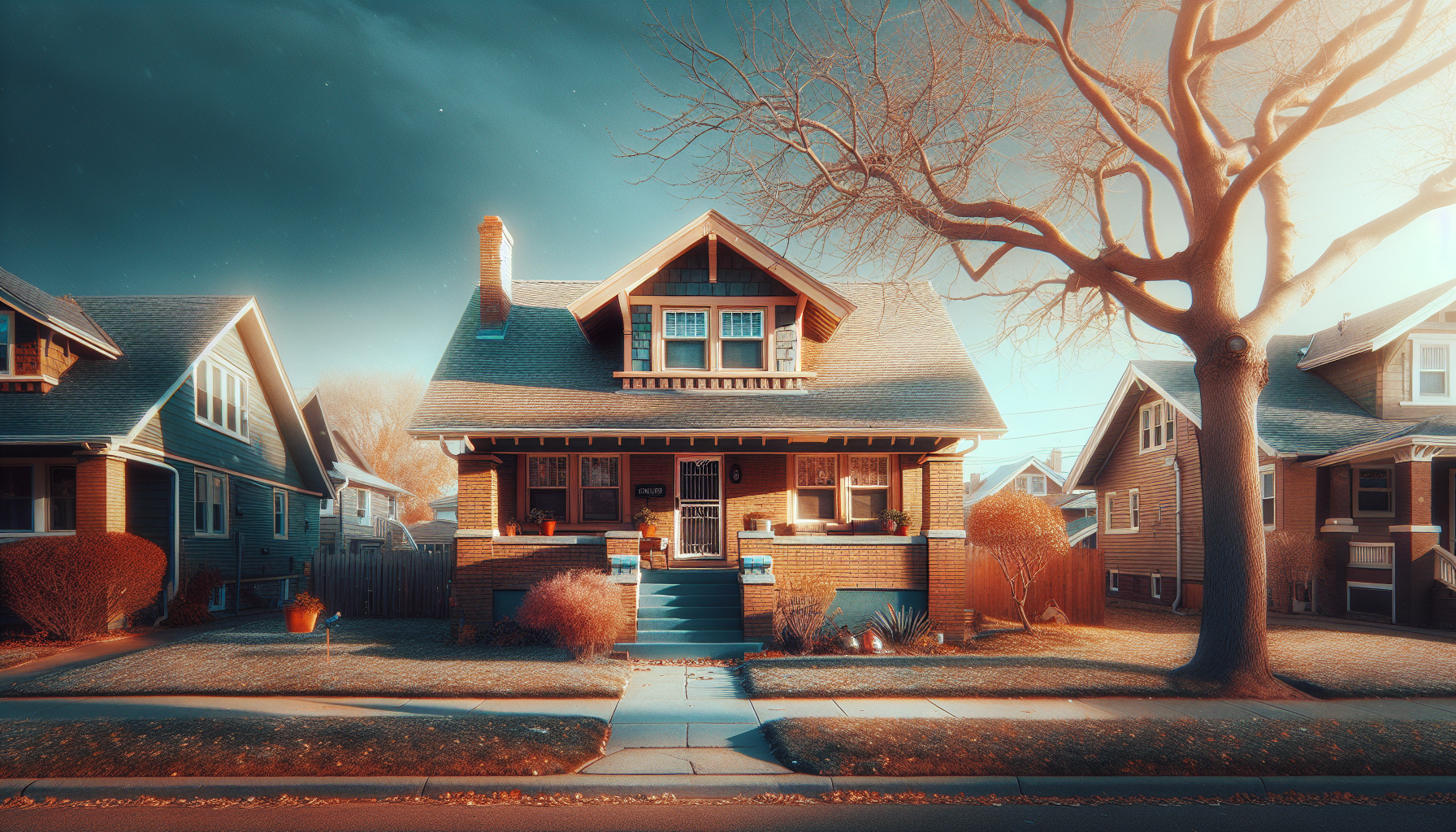
The most expensive maintenance problems in Denver rentals don't come from sudden failures. They come from deferred tasks that were on someone's list for the last three years.
A busted water line in February gets fixed fast because it has to be. A furnace filter that hasn't been changed since the last tenant moved out, a roof that took hail hits in July and wasn't checked, a swamp cooler that was never properly drained before November - those create problems that compound quietly until they're urgent.
This Denver rental property maintenance checklist is organized by season and system. It covers what to do, approximately when, and which items cross the line from "good landlord practice" into legal habitability requirements under Colorado law.
Why Denver Requires a Different Maintenance Approach
Denver is not a gentle climate for buildings.
More than 300 days of sunshine means intense UV exposure that degrades roofing materials, caulk, and exterior paint faster than most cities. The Front Range sits in "Hail Alley" - hailstorms from May through September are routine and occasionally severe enough to total a roof in one afternoon.
Temperature swings are extreme. Denver can drop from 65 degrees to 20 degrees in 24 hours during spring and fall. That kind of freeze-thaw cycling is hard on pipes, foundations, caulk joints, and any outdoor water feature. The HVAC system transitions between heating and cooling multiple times in a single week during shoulder seasons, which shortens equipment life.
Altitude affects everything from appliance efficiency to evaporative cooler performance. And Denver's clay soils expand when wet and contract when dry, which means foundation monitoring is part of the job in ways it isn't in coastal cities.
Generic maintenance checklists miss most of this.
Spring Maintenance Checklist (March through May)
Spring is the reset season. The goal is to catch whatever winter damaged and prepare the property for summer heat before it arrives.
Exterior:
- [ ] Full roof inspection - look for missing or cracked shingles, lifted flashing, and any hail damage from late-season storms
- [ ] Clean gutters and downspouts - winter debris accumulates and blocks drainage
- [ ] Inspect all exterior caulk and weatherstripping for winter cracking
- [ ] Check window and door seals; Denver's dry winters degrade them faster than humid climates
- [ ] Inspect foundation perimeter for new cracks or settling - clay soil shifts significantly with spring moisture changes
- [ ] Survey driveway and walkways for frost heave damage
HVAC and cooling:
- [ ] Schedule A/C or evaporative cooler service before summer heat
- [ ] Change furnace filter (or confirm it was changed during winter)
- [ ] If the property has a swamp cooler, inspect and service for the cooling season - pads, water lines, and pump
Plumbing:
- [ ] Reconnect any outdoor hose bibs winterized in fall
- [ ] Test sprinkler system before first use
- [ ] Check water heater for sediment - flush annually if on hard water supply
Interior:
- [ ] Test smoke and carbon monoxide detectors - replace batteries
- [ ] Inspect for any winter moisture intrusion (basement walls, window wells, crawl spaces)
Summer Maintenance Checklist (June through August)
Summer in Denver means heat, hail, and late-afternoon storms. The maintenance priority is protecting the exterior and keeping the cooling system functioning.
After any significant hailstorm:
- [ ] Roof inspection - from the roof, not just from the ground
- [ ] Check A/C condenser unit for hail damage
- [ ] Inspect skylights, vents, and any exposed flashing
- [ ] Check vehicle/carport coverings if applicable
Routine summer items:
- [ ] Change HVAC filter (every 2-3 months minimum in Denver; every month during high-use summer season)
- [ ] Test A/C response before extreme heat periods
- [ ] Inspect exterior paint - UV degradation accelerates in summer
- [ ] Check landscaping irrigation - water ponding near the foundation is a drainage problem
- [ ] Trim trees and shrubs back from the structure (fire risk increases in dry Denver summers)
- [ ] Inspect window screens for damage - keeps bugs out without AC load
Fall Maintenance Checklist (September through November)
Fall is the most important maintenance season in Denver. What you do in October determines how many emergency calls you get in January.
Heating system:
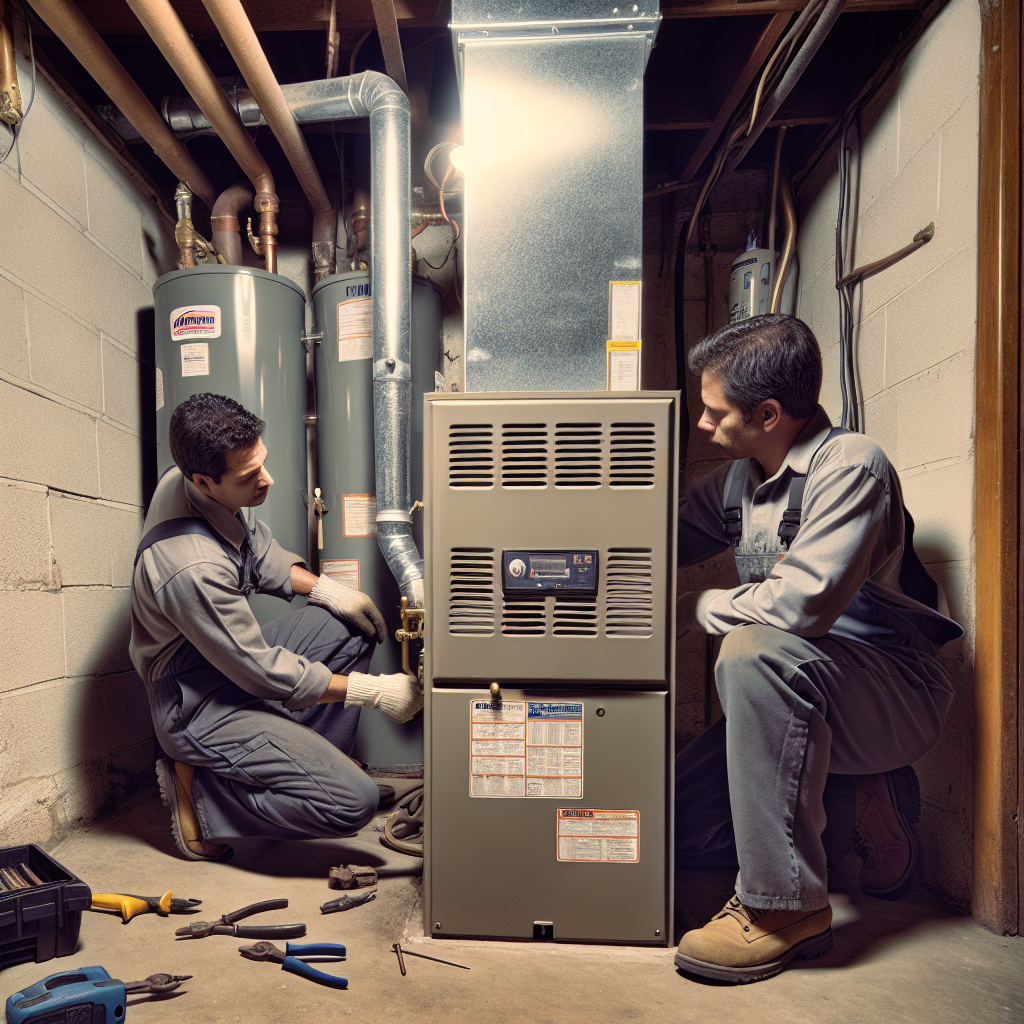
- [ ] Furnace service - schedule this in September before the HVAC companies are booked solid in October
- [ ] Change furnace filter
- [ ] Test thermostat - confirm it transitions correctly from cooling to heating mode
- [ ] Bleed radiators if the property has a hydronic heating system
Winterization:
- [ ] Drain and shut off outdoor hose bibs before first freeze (typically late October in Denver)
- [ ] Drain swamp cooler completely - any standing water will freeze and crack the system
- [ ] Insulate exposed pipes in unheated spaces (crawl spaces, garages, under sinks on exterior walls)
- [ ] Inspect pipe insulation from previous years for wear
- [ ] Drain and winterize sprinkler system - this typically requires a professional blow-out
- [ ] Check attic insulation and ventilation - ice dam prevention starts with a properly insulated attic
Exterior close-out:
- [ ] Clean gutters after leaves fall (late October to early November)
- [ ] Inspect roof before snow season
- [ ] Caulk any gaps around windows, doors, and utility penetrations
- [ ] Test weatherstripping on all exterior doors
Interior:
- [ ] Test smoke and CO detectors (do this twice a year - spring and fall)
- [ ] Check all interior caulk around tubs, showers, and sinks
- [ ] Inspect basement window wells for drainage function before spring rains
Winter Maintenance Checklist (December through February)
Winter maintenance is largely about monitoring and response. The biggest risk is a heating failure or pipe freeze, both of which become habitability issues immediately.
Heating monitoring:
- [ ] Change furnace filter monthly during heavy use season
- [ ] Confirm heating system is functional at the start of winter if the unit is vacant
- [ ] Keep thermostat set to minimum 55F in vacant units to prevent pipe freezing - document the setting
Pipe protection:
- [ ] In extreme cold snaps (single digits are not uncommon in Denver), open cabinet doors under sinks on exterior walls
- [ ] Know where your water shutoff is and make sure tenants know too
- [ ] Respond immediately to any frozen pipe reports - a frozen pipe is a pre-burst pipe
Snow and ice:
- [ ] Know the city and HOA requirements for snow removal timelines if applicable
- [ ] Inspect for ice dam formation on roof edges after heavy snow events
- [ ] Check walkways and steps for ice accumulation - slip liability starts at the property
Year-Round Items That Don't Wait for Seasons
Some maintenance isn't seasonal. It's scheduled regardless of the calendar.
Every 1-3 months:
- [ ] HVAC filter replacement (monthly during peak heating/cooling, every 2-3 months otherwise)
- [ ] Test smoke detector batteries if your units use battery-only models
Every 6 months:
- [ ] Test smoke and CO detectors
- [ ] Check fire extinguisher charge
Annually:
- [ ] Water heater flush (more often if on hard water)
- [ ] Dryer vent cleaning (lint buildup is a fire hazard and more common than people realize)
- [ ] Full exterior inspection for UV damage to caulk and paint
- [ ] Pest inspection if the property has a history
At every tenant turnover:
- [ ] Full system check before re-renting - treat it like a new-owner inspection
- [ ] Document the condition with photos before the next tenant moves in
Habitability Maintenance: What Colorado Law Requires
Colorado's enhanced warranty of habitability under SB24-094 sets minimum standards for rental properties. These aren't aspirational - they're legal requirements with specific timelines for response.
Heating: The property must have a functioning heat source capable of maintaining 68F. A heating failure must be addressed within 24 hours under emergency habitability provisions. This is not negotiable.
Hot water: Functional hot water at a safe temperature is required. Consistent hot water failure is a habitability issue.
Plumbing: Working plumbing, including functional toilets, must be maintained.
Smoke and CO detectors: Required by state law and Denver fire code. Test them. Document that you tested them.
Structural safety: The property must be structurally sound. This includes stairs, railings, floors, and ceilings.
The consequence of a habitability violation under SB24-094 is that tenants have significant remedies: rent withholding, lease termination, and damages. A landlord who ignores a heating failure isn't just being negligent - they're creating a legal liability that often costs far more than the repair would have.
Deferred maintenance has two costs: the eventual larger repair, and the potential habitability exposure between when the problem started and when it was fixed. Both are avoidable with a schedule.
At Sheepdog, we track maintenance by property on a rolling calendar. Every unit has a service history. When something fails, we know when it was last serviced and can demonstrate to the tenant (and if needed, a judge) that we've been doing the work. That documentation is worth more than people realize until they need it.
If the list above feels like more than you want to manage solo, that's a reasonable conclusion. Denver properties require active maintenance management. We'd be glad to take it over.
Frequently Asked Questions
How often should a Denver rental property furnace be serviced?
At minimum, once a year - ideally in September before heating season starts. If the furnace is older or serving a high-traffic rental, twice a year (spring and fall) is reasonable. Filter changes should happen every 1-3 months depending on occupancy, pets, and air quality.
When should Denver landlords winterize outdoor plumbing?
Before the first hard freeze, typically late October. Drain and shut off outdoor hose bibs, drain swamp coolers completely, and have sprinkler systems professionally blown out. Waiting until November is pushing it - Denver can see hard freezes in mid-October without much warning.
What maintenance is required by Colorado habitability law?
Under SB24-094, landlords must maintain functioning heat capable of 68F, hot water, working plumbing and electrical, structural safety, and working smoke and CO detectors. Heating failures require emergency response - typically within 24 hours. Failure to maintain habitability standards gives tenants the right to withhold rent, break the lease, and pursue damages.
How often should smoke and carbon monoxide detectors be tested in a Denver rental?
Twice a year is standard practice and recommended by Denver Fire Department guidelines. Many landlords align this with spring and fall seasonal checks. Battery replacement should happen annually for battery-operated units. Document your testing dates.
What's the biggest maintenance risk for Denver rental properties in winter?
Pipe freezes. Denver temperatures regularly drop into single digits during cold snaps, and exposed pipes in crawl spaces, garage walls, and under exterior-facing sink cabinets are vulnerable. Keeping vacant units at a minimum of 55F and insulating exposed pipes before November significantly reduces risk.
Does Denver have specific landlord maintenance requirements beyond state law?
Denver follows state habitability law (SB24-094) as the baseline. Denver also has its own rental property licensing requirements and inspections that may apply to certain property types. Properties in HOAs have additional maintenance obligations. Check with a local attorney or property manager for the full picture specific to your property type.
Property maintenance is manageable when it's systematized. If you're still doing this reactively, talk to us about what a proactive maintenance program looks like for your Denver rental.